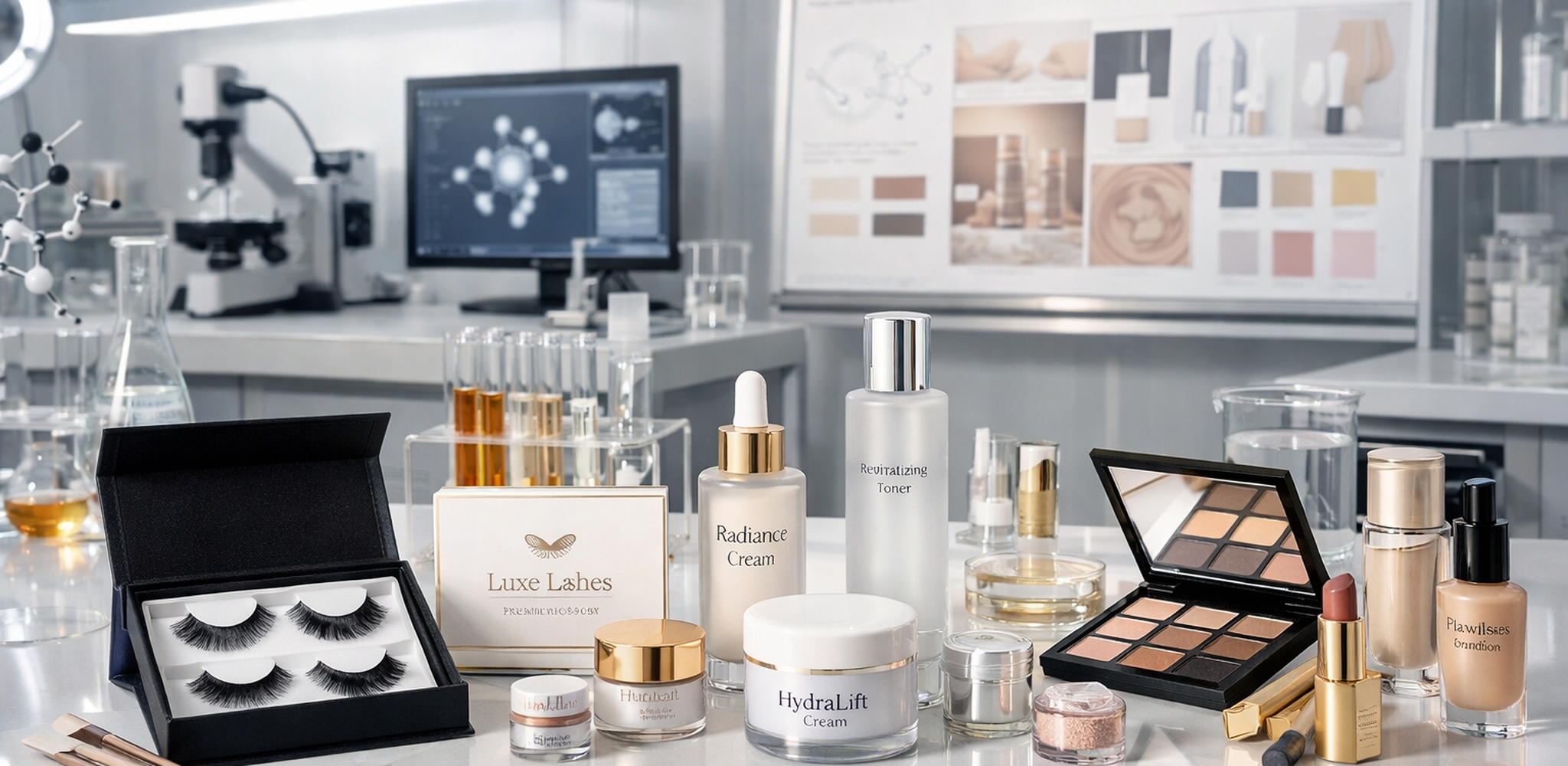
In the fiercely competitive beauty industry, the desire to expand product lines is a natural, often necessary, step for growth. Yet, a stark reality often goes unacknowledged: most beauty brands don’t fail in production—they fail in product selection and expansion strategy. Industry data suggests that a staggering 70% of new product launches underperform, not due to manufacturing flaws, but primarily because of poor decision-making and a lack of strategic foresight. For established beauty brands with existing revenue, brand founders expanding product lines, product development managers, and private label buyers experienced in manufacturing, understanding this critical distinction is paramount.
This article is not about general education; it’s designed to convert established beauty brands into business inquiries, driving them to contact ZM Beauty for sampling or product development discussions. We will dissect why product expansion often fails, how successful brands mitigate these risks, and crucially, how strategic manufacturing partners enable sustainable growth.
The Hidden Reasons Beauty Brand Expansion Fails
Many brands, despite their market success with core products, falter when venturing into new categories. The reasons are often deeply rooted in strategic missteps rather than operational execution:
- Wrong Product Category Selection: Expanding into a category without thorough market research or alignment with existing brand equity can lead to products that simply don't resonate with the target audience.
- Lack of Validation Before Scaling: Rushing into large-scale production without adequately testing market demand or product-market fit is a common, costly mistake. This often results in overstocked inventory and significant financial losses.
- Over-investment in Untested Ideas: Committing substantial resources (time, money, marketing) to new product concepts before proving their viability is a high-risk gamble that frequently backfires.
- Weak Supplier Collaboration: Treating manufacturers as mere order-takers rather than strategic partners limits access to their expertise, market insights, and innovative solutions.
- No Sampling Strategy: Skipping the crucial step of iterative sampling and feedback loops means launching products based on assumptions, not validated consumer preferences.
These pitfalls highlight a fundamental truth: successful expansion is less about having a great product idea and more about having a robust, risk-averse strategy to bring it to market.
The “Low-Risk Expansion Framework”
Successful beauty brands approach product line expansion with a structured, methodical framework designed to minimize risk and maximize the probability of success. This framework prioritizes validation and iteration:
Step 1: Validate Demand Before Production
Before committing to significant production runs, successful brands rigorously validate market demand. This can involve targeted consumer surveys, focus groups, social media listening, or even small-scale digital campaigns to gauge interest in a new product concept. The goal is to gather concrete evidence that a genuine need or desire exists for the proposed product.
Step 2: Start With Small Batch Testing
Instead of launching with high MOQs, strategic brands opt for small batch production. This allows them to introduce new SKUs to a limited audience, gather real-world feedback, and observe initial sales performance without the burden of excessive inventory. This approach is crucial for understanding how a product performs in the hands of actual consumers.
Step 3: Iterate Based on Feedback
Successful brands view initial product launches as experiments. They actively collect feedback from early adopters, analyze sales data, and are prepared to iterate on formulations, packaging, or marketing messages. This agile approach ensures that products are continuously refined to better meet consumer expectations and market demands.
Step 4: Scale Only Winning Products
Only after a product has demonstrated clear market traction and positive feedback from small-batch testing do successful brands commit to scaling production. This disciplined approach ensures that resources are allocated to proven winners, significantly reducing the risk of costly failures.
What Successful Beauty Brands Do Differently
Beyond the framework, successful beauty brands cultivate specific practices that set them apart:
- They test multiple SKUs before scaling: Instead of putting all their eggs in one basket, they diversify their testing efforts across several promising product variations.
- They work with flexible manufacturers: They seek partners who understand the value of low MOQs and rapid prototyping, enabling their iterative testing strategy.
- They prioritize speed over perfection: While quality is paramount, they understand that getting a viable product to market quickly for validation is often more beneficial than endlessly pursuing an elusive ‘perfect’ product.
- They treat product launch as experimentation, not a final decision: This mindset fosters agility and a willingness to adapt based on real-world data.
Where Most Manufacturers Fail Brands
Unfortunately, many traditional manufacturers inadvertently contribute to brand failures by not aligning with this low-risk expansion framework:
- High MOQ Pressure: Insisting on large minimum order quantities forces brands into high-risk commitments before market validation.
- Slow Sampling Cycles: Protracted sampling processes delay market entry and hinder rapid iteration.
- No Flexibility in Formulation: Inability or unwillingness to customize formulations means brands are stuck with generic products, lacking differentiation.
- Poor Communication During Development: A lack of transparent and timely communication can lead to misunderstandings, delays, and products that don't meet expectations.
- Lack of Strategic Input: Manufacturers who act solely as production facilities, without offering strategic insights or market intelligence, miss an opportunity to be true partners.
How ZM Beauty Helps Reduce Product Launch Risk
At ZM Beauty, we understand that our role extends beyond manufacturing; we are a strategic enabler for your brand's growth. We actively help reduce your product launch risk by integrating with your expansion strategy:
- Low MOQ for Testing New Ideas: We offer flexible MOQ options, allowing you to test new product concepts and categories without significant upfront investment or inventory risk. This empowers you to validate demand effectively.
- Fast Sampling Cycles for Rapid Validation: Our streamlined R&D and sampling processes ensure quick turnaround times, enabling you to gather feedback and iterate rapidly, bringing your products to market faster.
- Full Customization (Formula, Packaging, Branding): We provide comprehensive customization services, from bespoke formulations to unique packaging and branding support. This ensures your products are not only high-quality but also perfectly aligned with your brand identity and market positioning.
- Cross-Category Expansion Support: With expertise across lashes, skincare, and makeup, we are your ideal partner for diversifying your product lines. We guide you through the complexities of entering new beauty segments.
- Helps Brands Test Before Scaling: Our philosophy is built around supporting your iterative testing approach. We provide the manufacturing agility you need to prove product viability before committing to large-scale production.
Our positioning is clear: we reduce your risk, not just produce your product. We act as a critical filter, ensuring that only validated, high-potential products move to full-scale production.
Realistic Business Scenarios
Let's illustrate how this low-risk expansion framework, supported by a strategic manufacturer like ZM Beauty, plays out in real-world scenarios:
Scenario 1: Haircare Brand Testing Lash Serum + Mascara Line
A successful haircare brand with a loyal customer base identifies an opportunity in the rapidly growing eye-enhancement market. Instead of immediately launching a full line, they partner with ZM Beauty. We provide low-MOQ production for a new lash serum and mascara. The brand conducts targeted online campaigns and offers samples to a segment of their existing customer base. Positive feedback and strong initial sales data validate the product concept. Based on this success, they confidently scale production, knowing they have a winning product.
Scenario 2: Skincare Brand Entering Color Cosmetics
An established skincare brand, known for its clean formulations, wants to tap into the color cosmetics market. They are wary of the high competition and fast-changing trends. ZM Beauty collaborates with them to develop a small collection of vegan, cruelty-free foundations and lip tints. Through small-batch production, the brand tests these items with beauty influencers and a select group of customers. The data from these trials informs adjustments to shades, textures, and marketing, allowing them to refine their offerings before a broader, successful launch.
In both scenarios, the decision-making process is driven by data and controlled validation, significantly reducing the financial exposure and increasing the likelihood of market success.
Final Strategic Insight
For beauty brands aiming for sustainable growth and successful product line expansion in 2026 and beyond, the lesson is clear:
- Successful brands don’t guess—they test. They embrace a data-driven approach to product development.
- Expansion is not about speed, but controlled validation. Agility in testing, not just production, is the key.
- The right manufacturing partner acts as a risk filter. They provide the flexibility, speed, and strategic input necessary to navigate market complexities.
Choose a partner who understands your strategic goals and provides the tools to achieve them with confidence. Choose ZM Beauty.