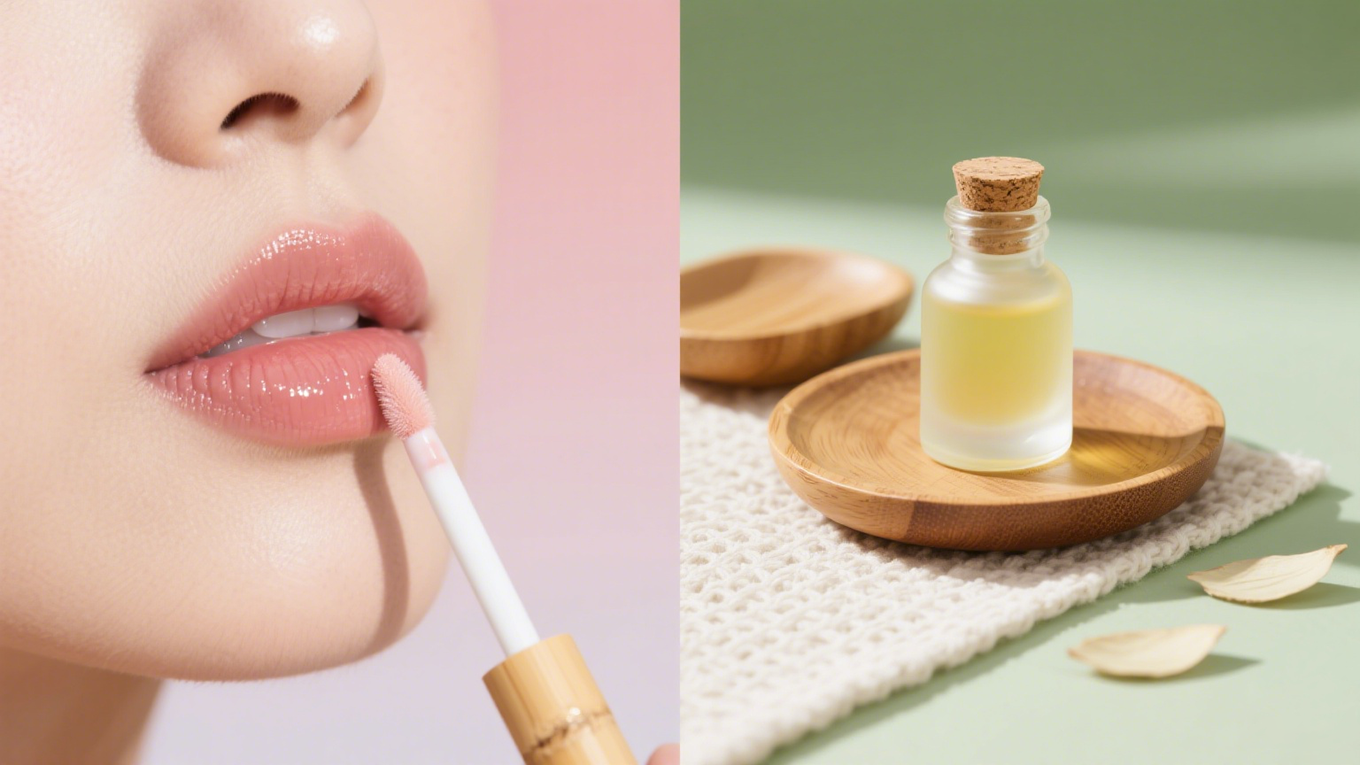
Lip gloss has long been a staple in makeup routines, offering a glossy finish, subtle color, and hydration for lips. With rising interest in personalized beauty products, many are exploring how to create lip gloss at home. At ZM Beauty Supply, we’re passionate about empowering beauty enthusiasts and small business owners alike, so this guide dives into DIY lip gloss creation, ingredient insights, safety tips, and customization ideas.
Why Make Lip Gloss at Home?
Creating your own lip gloss offers several advantages:
- Customization: Choose your preferred color, shimmer, scent, and finish.
- Natural Ingredients: Avoid harsh chemicals, parabens, and artificial preservatives.
- Cost-Effective: Homemade lip gloss can be more affordable than high-end commercial products.
- Entrepreneurial Potential: Learning DIY techniques can be a stepping stone to private label or small-batch cosmetic businesses.
The DIY approach not only provides control over the ingredients but also allows creative expression with endless possibilities for personalization.
Key Ingredients for Homemade Lip Gloss
The core components of lip gloss serve multiple purposes: shine, hydration, and texture. Here’s what you’ll need:
1. Base Oils These provide moisture, smooth application, and a glossy finish. Common oils include:
- Castor Oil: Thick, glossy, and promotes hydration
- Coconut Oil: Lightweight and nourishing
- Jojoba Oil: Mimics natural lip sebum for a smooth feel
2. Waxes Waxes give lip gloss structure and help it adhere to lips:
- Beeswax: Adds firmness and is widely used in natural formulations
- Candelilla Wax: Plant-based alternative suitable for vegan recipes
- Carnauba Wax: Provides a hard, glossy finish
3. Butters Butters add creamy texture and nourishment:
- Shea Butter: Moisturizing and rich in vitamins
- Cocoa Butter: Enhances smoothness and gives slight scent
4. Pigments and Mica To add color, shimmer, or sparkle:
- Mineral Pigments: Safe for lips and provide natural tones
- Mica Powder: Adds shimmer or metallic effects
- Food-Grade Colorants: Ideal for playful, safe DIY creations
5. Optional Additives
- Essential Oils: Mint, vanilla, or citrus for fragrance and a slight tingle
- Vitamin E: Acts as an antioxidant to extend shelf life and nourish lips
Step-by-Step Guide to Making Lip Gloss at Home
- Prepare Your Equipment
- Double boiler or microwave-safe bowl
- Small spatula or spoon
- Sterilized containers (tubes or jars)
- Melt the Base
- Combine waxes, butters, and oils in a double boiler
- Stir continuously until fully melted and smooth
- Add Pigments and Colorants
- Gradually mix pigments, mica, or food coloring
- Test small amounts for desired color intensity
- Incorporate Additives
- Stir in essential oils and vitamin E
- Avoid overheating to maintain the integrity of delicate ingredients
- Pour and Set
- Pour the mixture into sterilized containers
- Allow to cool and solidify at room temperature or in the fridge
- Label and Store
- Homemade lip gloss typically lasts 3–6 months
- Store in a cool, dry place to prevent separation or spoilage
Tips for Perfect Homemade Lip Gloss
- Adjust Glossiness: Increase oil content for a shinier finish, increase wax for a firmer consistency.
- Layer Colors: Mix different pigments to create custom shades.
- Test Textures: Try small batches first to perfect texture and application.
- Sanitation Is Key: Always use sterilized containers and utensils to prevent bacterial growth.
Creative Variations
1. Flavored Lip Gloss Add drops of food-grade flavor oils for a sweet, scented lip gloss.
2. Glitter and Shimmer Mix fine cosmetic-grade glitter or pearlescent mica for eye-catching effects.
3. Tinted Lip Gloss Blend with natural pigments like beetroot powder for a subtle tint.
4. Multi-Functional Lip Balm Gloss Combine lip gloss with tinted lip balm for color, hydration, and shine in one product.
Benefits of Learning DIY Lip Gloss for Small Business
For entrepreneurs interested in private label cosmetics, understanding lip gloss formulation is a valuable skill:
- Enables creation of unique product lines
- Ensures ingredient transparency for ethical and vegan brands
- Reduces reliance on third-party manufacturers initially
- Builds brand authenticity by offering handcrafted, personalized products
At ZM Beauty Supply, we support both personal DIY beauty projects and professional private label endeavors, providing resources and ingredients for high-quality formulations.
Safety and Regulatory Considerations
While DIY lip gloss is fun and creative, safety is paramount:
- Use only cosmetic- or food-grade ingredients
- Label all ingredients, especially when selling products
- Avoid allergens for sensitive skin
- Follow local cosmetic regulations if distributing products commercially
Understanding these guidelines ensures your homemade lip gloss is safe, enjoyable, and professional-quality.
Making lip gloss at home is a rewarding way to customize color, texture, and ingredients while learning the fundamentals of cosmetic formulation. From basic moisturizing gloss to shimmering, tinted creations, the possibilities are endless. Whether for personal use or as a stepping stone to launching a private label product line, mastering DIY lip gloss opens doors to creativity, education, and entrepreneurship.
ZM Beauty Supply provides guidance, high-quality ingredients, and resources for both enthusiasts and businesses to create safe, beautiful, and innovative lip gloss products. Explore the art of lip gloss creation, embrace your creativity, and deliver products that delight every customer.