I work with ZM Beauty, and I ask buyers to choose the blush format based on selling environment first. A product that works for TikTok swatches may not work for salon retail. A formula that feels beautiful in winter may slide in summer. The right format is a business decision as much as a makeup decision.
Format comparison for private label buyers
| Format | Best for | Main risk | Smart first range |
|---|---|---|---|
| Liquid blush | DTC, TikTok, strong pigment stories | Over-application, leakage, staining, shade mismatch | 3-5 shades with controlled dose packaging |
| Cream pot or compact | Retail, artists, richer sensory feel | Hygiene perception, oil separation, heat stress | 4 shades with clear texture positioning |
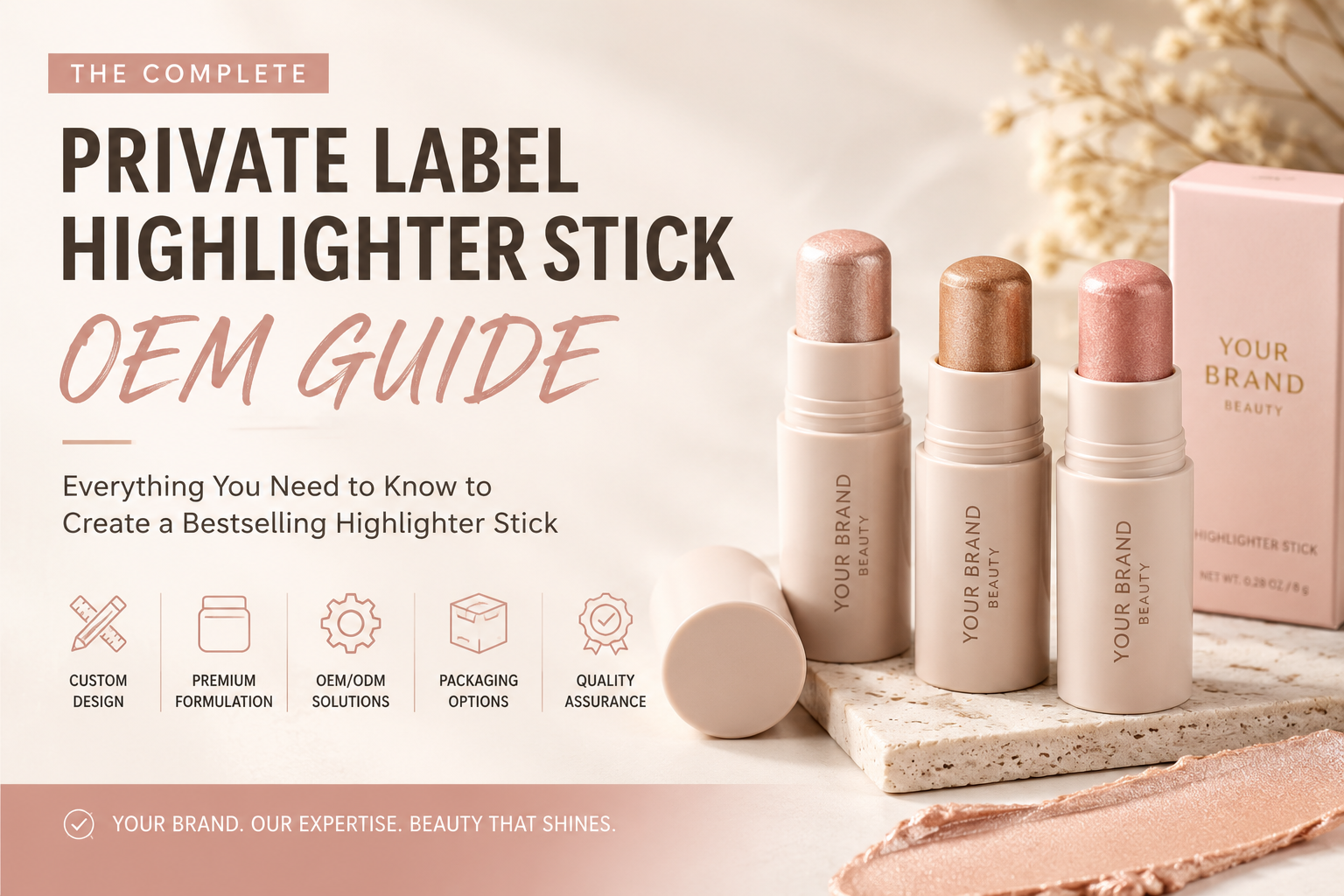
| Blush stick | Travel, simple routines, multi-use content | Base lifting, sweating, bullet breakage | 3 shades with tested glide and cap fit |
| Soft powder-style blush | Oily skin, humid markets, blurred finish | Patchiness, hard pan, chalky payoff | 4-6 shades with skin-tone testing |
The strongest blush launch is not the widest one. It is the one where texture, applicator, shade, and sales channel tell the same story.
What the market conversation says
Blush has stayed visible because consumers use it for mood, shape, and quick transformation. Vogue called 2025 the year of blush and described several blush directions, including sun-kissed, watercolor, underpainting, blush contour, and multi-tonal looks (Source: ). Who What Wear reported a shift toward hazy, soft-matte blush and cream-to-powder textures for fall 2025 (Source: ).
Consumer testing media also shows why format matters. A 2026 review of Armani's blush balm noted five shades, high pigmentation, blendability, and up to eight hours of wear (Source: ). Byrdie's powder blush coverage argued that modern powder formulas are returning because buyers want blurred, velvety complexions and oil-control benefits (Source: ). The lesson for OEM buyers is direct: format trends rotate, but usability keeps customers.
Compliance and documentation also have to be planned. FDA's MoCRA page says responsible persons must list marketed cosmetic products with ingredients and update listings annually, while facility registration renewal is biennial (Source: ). The European Commission states that cosmetic product safety should be supported by science before market placement (Source: ). ISO 22716 provides GMP guidance for cosmetics manufacturing (Source: ).
Liquid blush: high impact, high control needs
Liquid blush is powerful for social commerce because one dot can create a visible result. That same payoff can become a complaint if the product stains too fast, dispenses too much, or looks patchy on foundation.
I would use liquid blush when the brand has strong content capability and can teach application. For packaging, I look at doe-foot control, pump dose, leakage, and wiper fit. For formula, I test blend time, dry-down, transfer, and whether the color oxidizes.
Cream blush: sensory and shade friendly
Cream blush feels intuitive for many customers because it blends with fingers, sponge, or brush. It can look premium in a compact or pot, and it works well for brands that want a richer tactile story.
The risks are hygiene perception, heat stress, and oil separation. If the formula is too emollient, it may move base makeup. If it is too dry, it drags. Cream blush needs a clear texture promise: dewy, satin, cream-to-powder, or soft matte.
Blush stick: simple to sell, hard to perfect
Blush sticks are attractive because they are portable and easy to film. They also invite multi-use language, but I keep claims careful and market-specific. If a buyer wants lip-and-cheek use, we need to confirm formula suitability and destination-market rules rather than assume.
The factory issues are similar to highlighter sticks: glide, bullet strength, sweating, cap seal, and base disruption. A blush stick should not lift foundation or leave wax clumps. I test it over bare skin, foundation, and powder.
Powder-style blush: back for practical reasons
Powder-style blush is useful for humid markets, oily skin, and customers who want a blurred finish. It can also support more shades in a compact range. The challenge is avoiding chalkiness, patchiness, and hard pan.
If a startup asks for powder blush but has never sold makeup before, I ask how they will explain texture and shade online. Powder can be very commercial, but it needs good photography, shade naming, and payoff control.
How ZM Beauty supports blush projects
For blush development, I start with ZM Beauty's category route and then connect the buyer to broader options. The official site also links , , and , which matters when a buyer wants a face color system rather than a single blush.
The home page presents private label cosmetics, custom formulas, custom beauty packaging, product compliance, brand development, and product design as service areas. The About us page states that ZM Beauty was founded in 2017 by Grace and established a UK branch in 2023.
For color cosmetics MOQ, our rule is stock products at 200-1000 pieces, custom formula projects at 600-1000 pieces, and fully custom development at 6000-12000 pieces. Final MOQ depends on the exact product, format, component, formula change, and client requirements.
Shade planning by format
For liquid blush, I prefer fewer shades with clear undertone separation: baby pink, peach, rose, berry, and terracotta. For cream blush, I like a slightly softer shade map because the formula often sheers out. For sticks, I avoid too many pale shades if the brand sells across deeper skin tones. For powder-style blush, I check payoff on multiple undertones because dusty shades can disappear.
I also ask buyers to decide if blush is the hero or a support product. If blush is the hero, packaging and shade names need more identity. If blush supports a larger face line, it should connect to contour, foundation, or highlighter without forcing customers to buy everything.
A useful shade test is to build the range from use cases, not only color names. One shade can be a daily office flush, one can be a sun-warmed weekend shade, one can be a deeper sculpting blush, and one can be a bright content shade for social posts. This prevents the range from becoming five versions of pink.
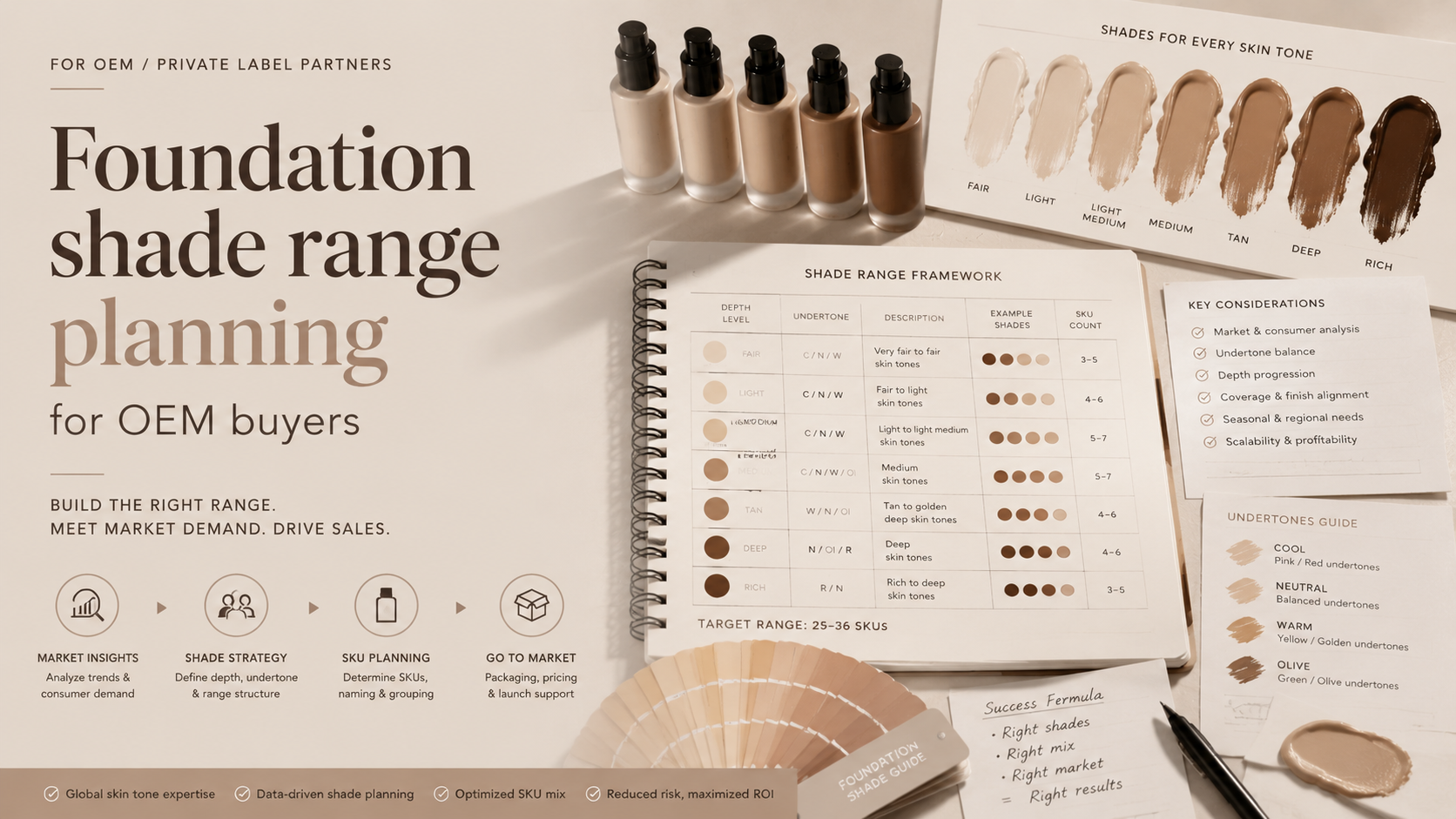
I also check whether the formula changes color after blending. Some red and berry shades look strong in the tube but turn uneven on warm undertones. Some pale peach shades disappear on tan skin. The buyer should review swatches after ten minutes, not only at first application, because oils, base makeup, and skin tone can change the final read.
Five sourcing questions to ask
-
Which blush format is most stable in your current production? A strong existing base can be better than a new formula that has no stress history.
-
How do you test payoff across skin tones? Arm swatches are not enough. I want to see fair, medium, tan, and deeper skin testing where possible.
-
What packaging problems should I expect? Liquid blush can leak, cream can separate, stick can sweat, and powder can break. Ask before sampling.
-
Which MOQ level applies to my requested customization? For ZM Beauty color cosmetics, stock, custom formula, and full custom levels differ. The account manager must confirm the final number.
-
What markets are you preparing documents for? U.S., EU, Middle East, and other markets can require different label, ingredient, and registration work. We can support materials, but requirements need market confirmation.
Buyer anxieties worth addressing
The first anxiety is pigment. Too much pigment makes returns likely; too little pigment makes the product look cheap. The second is shade inclusivity. A blush line that only flatters one skin depth will limit growth. The third is heat and transport. A formula that survives the lab still needs to survive the warehouse.
The fourth anxiety is category fit. ZM Beauty can support color cosmetics, lash products, growth products, and selected skincare as a company, but this Blog workflow only covers color cosmetics. We do not manufacture eyeshadow palettes, perfume, body lotion, body wash, soap, hand sanitizer, standalone travel-size sets, shampoo, conditioner, hair masks, hair dye, styling products, makeup brushes, sponges, beauty tools, devices, or children's products as focus categories.
The fifth anxiety is reorder discipline. A buyer may love a dramatic shade during sampling, but the repeat order usually comes from shades customers wear often. I like to separate image shades from volume shades before production so the buyer does not mistake social media excitement for everyday sell-through.
FAQ
Which blush format is best for a first private label launch?
For most first launches, I would choose liquid blush for social commerce, cream blush for richer retail feel, stick blush for convenience, or powder-style blush for humid markets and blurred finish. The best choice depends on channel and customer behavior.
How many blush shades should I start with?
I usually prefer 3-6 shades. Fewer shades work when undertones are well chosen. More shades only help if the brand can photograph, stock, and explain them.
Can ZM Beauty make custom blush formulas?
Yes, custom formulas and formula adjustment are within our service scope. For color cosmetics, custom formula MOQ is usually 600-1000 pieces, while fully custom development is usually 6000-12000 pieces.
Can blush be vegan or cruelty-free?
We can discuss vegan and cruelty-free positioning where technically feasible. The formula, pigments, supplier documents, and market rules must support the claim.
Does ZM Beauty handle color cosmetics CPSR?
For color cosmetics, we can assist by providing required materials so clients can register CPSR themselves where applicable. We do not claim completed CPSR certification for all color cosmetics.
Who should not inquire about this blush project?
Buyers seeking unsupported categories, children's makeup, beauty tools, perfume, body care, hair wash products, eyeshadow palettes, or unrealistic full-custom MOQ are not a fit. Buyers with a defined format, shade map, market, and budget will get better samples.