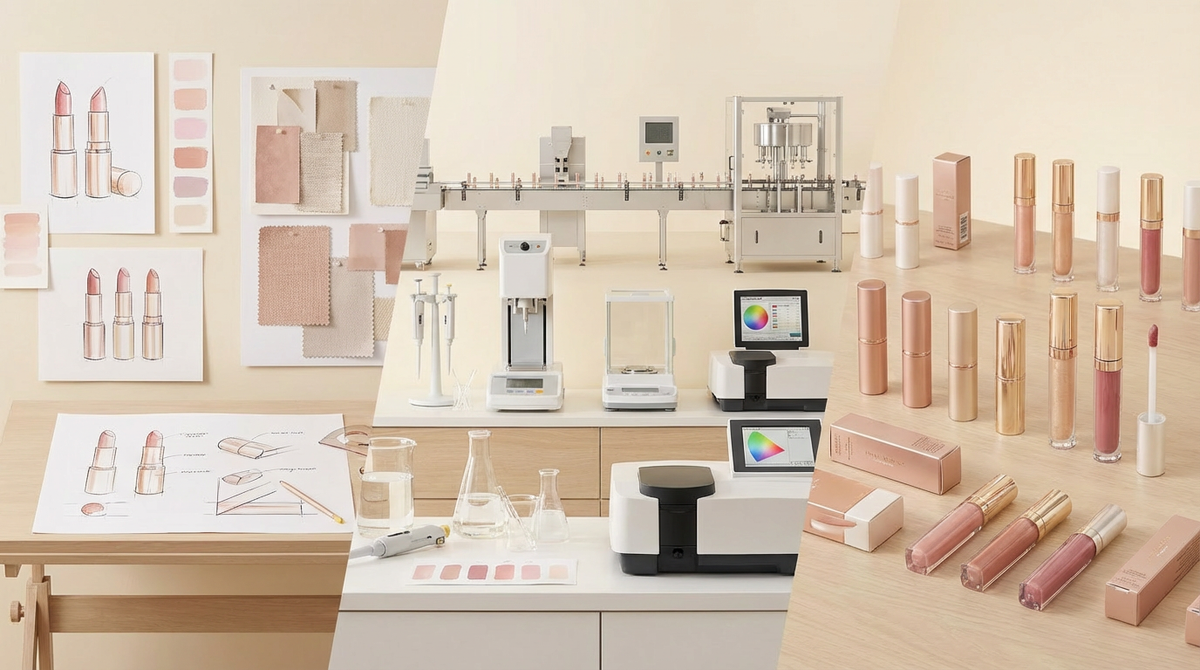
Peel off lip stains have become one of the most talked-about categories in modern cosmetics. Their ability to deliver vibrant colour, long wear, and effortless removal has captured consumer interest across global markets. But behind every successful peel off lip stain brand is a well-structured OEM/ODM manufacturing strategy.
In this guide, we break down the entire process from formulation and sampling to production and packaging, helping beauty entrepreneurs, startup founders, and experienced brand owners understand how to choose and work with the right manufacturing partner.
What Makes Peel Off Lip Stains Unique?
Unlike traditional lipsticks or liquid lip colours, peel off lip stains combine the intensity of a stain with the simplicity of a peel-away finish. This format is especially popular for consumers who want:
- Long-lasting colour with minimal transfer
- An easy peel-off removal process
- A lightweight feel without the heaviness of typical liquid lipsticks
- Bold pigmentation that stays through meals or mask wear
Brands that offer peel off lip stains can leverage these product strengths to build strong marketing angles and compelling campaigns, especially when targeting social media channels and lifestyle-focused e-commerce stores.
OEM vs ODM Manufacturing: What’s the Difference?
Understanding the difference between OEM and ODM is critical when planning your manufacturing approach:
ODM (Original Design Manufacturing)
ODM is often the fastest path for brands that want to launch with minimal development time. These products are based on pre-developed formulas that the manufacturer already owns, but brands can usually customize things like:
- Colour range
- Packaging design
- Brand labels
- Claims (e.g., vegan, clean, cruelty-free)
Pros of ODM:
- Faster production timelines
- Lower upfront development cost
- Great for testing market fit
OEM (Original Equipment Manufacturing)
OEM involves developing a fully custom formula from scratch. You control every aspect of the product — from colour tuning and texture to ingredient choices and performance claims. This requires more development time and collaboration with your manufacturer’s R&D team, but gives your brand full ownership of the formulation.
Pros of OEM:
- Total formula control
- Unique product differentiator
- Better long-term brand equity
Both models have valid use cases. ODM is great for early launches or MVPs (Minimum Viable Products), while OEM is better for brands that want to compete based on unique formulation and performance.
Step-By-Step: How Peel Off Lip Stain Manufacturing Works
1. Concept & Product Definition
This initial stage is where your brand decides:
- Target audience (e.g., everyday lip wear vs. occasion wear)
- Finish (matte, satin, glossy peel off)
- Shade range and undertones
- Claims (e.g., vegan, lip-care enriched, cruelty-free)
Manufacturers will often ask for a reference product or inspiration images to align on texture and performance expectations.
2. Formula Development & Lab Work
If you choose OEM, your manufacturer’s chemists will work with you to:
- Create a stable peel off formula
- Test film formation dynamics (critical for uniform peel off)
- Balance pigment load and flexibility
- Ensure non-irritating ingredients suitable for lips
Good manufacturers also run multiple stability and safety tests to ensure the formula behaves consistently over time and under different conditions.
3. Sampling & Revision
You’ll receive samples that reflect your requested specifications — these may go through several rounds of revisions until you’re satisfied. Experienced partners will document each iteration clearly so you can track changes and their impact.
4. Packaging Selection & Customisation
Packaging is more than aesthetics — it affects product performance, shelf appeal, and even user experience:
- Tube vs bottle design
- Applicator style
- Label materials
- Secondary packaging (boxes, instructions, branding elements)
A good manufacturer helps ensure the packaging choice is compatible with your formula — for example, tubes must not react with the peel off film structure.
5. Production & Quality Control
Once the formula and packaging are approved, the manufacturer moves to mass production. During this phase:
- Production batches are monitored for consistency
- Quality control checks are performed before shipment
- Documentation for export and regulatory requirements is prepared
This step ensures your products are consistent from batch to batch — a key factor for distributor trust and end-customer satisfaction.
Factors That Affect Manufacturing Cost
Costs vary based on several factors:
- Formula complexity
- Packaging choices
- MOQ (Minimum Order Quantity)
- Testing and certification requirements
- Export documentation and compliance
Example cost drivers:
- Custom formula development: labs may charge a one-time fee
- Premium packaging: metalized tubes, special applicators
- Low MOQs: often carry slightly higher per-unit costs
How to Choose the Right OEM/ODM Partner
Choosing a manufacturing partner goes beyond price. Smart brands consider:
• R&D Capability
A strong lab can refine peel off performance, ensure safety, and help with future formula upgrades.
• Sample Speed & Revision Support
Fast sample turnarounds and clear revision communication ensure you don’t waste time in development cycles.
• Quality Assurance Systems
Look for manufacturers with documented QC processes, in-line inspections, and pre-shipment testing.
• Compliance & Export Experience
If you are selling in multiple regions, your partner must understand documentation, labeling requirements, and regulatory standards for those markets.
Common Questions About Peel Off Lip Stain Manufacturing
Q: How long does it take to develop a custom peel off lip stain?
Development timelines vary, but typically initial samples are ready in 10–21 days after first brief. Multiple rounds may be needed depending on complexity.
Q: Do manufacturers offer packaging design support?
Many OEM/ODM partners provide packaging guidance or connect you with designers to create cohesive branding materials.
Q: What is a typical MOQ for peel off lip stains?
MOQs depend on formula and packaging, but many manufacturers offer flexible options — from low hundreds to thousands of units.
Final Tips Before You Start
Whether you’re launching your first product or expanding your line, focusing on quality, consistency, and long-term partnership pays dividends. A reliable OEM/ODM partner not only produces products but can also become a strategic collaborator in your brand journey.
Peel off lip stain manufacturing requires attention to detail, but with the right processes and partner, you can build products that delight both distributors and consumers.