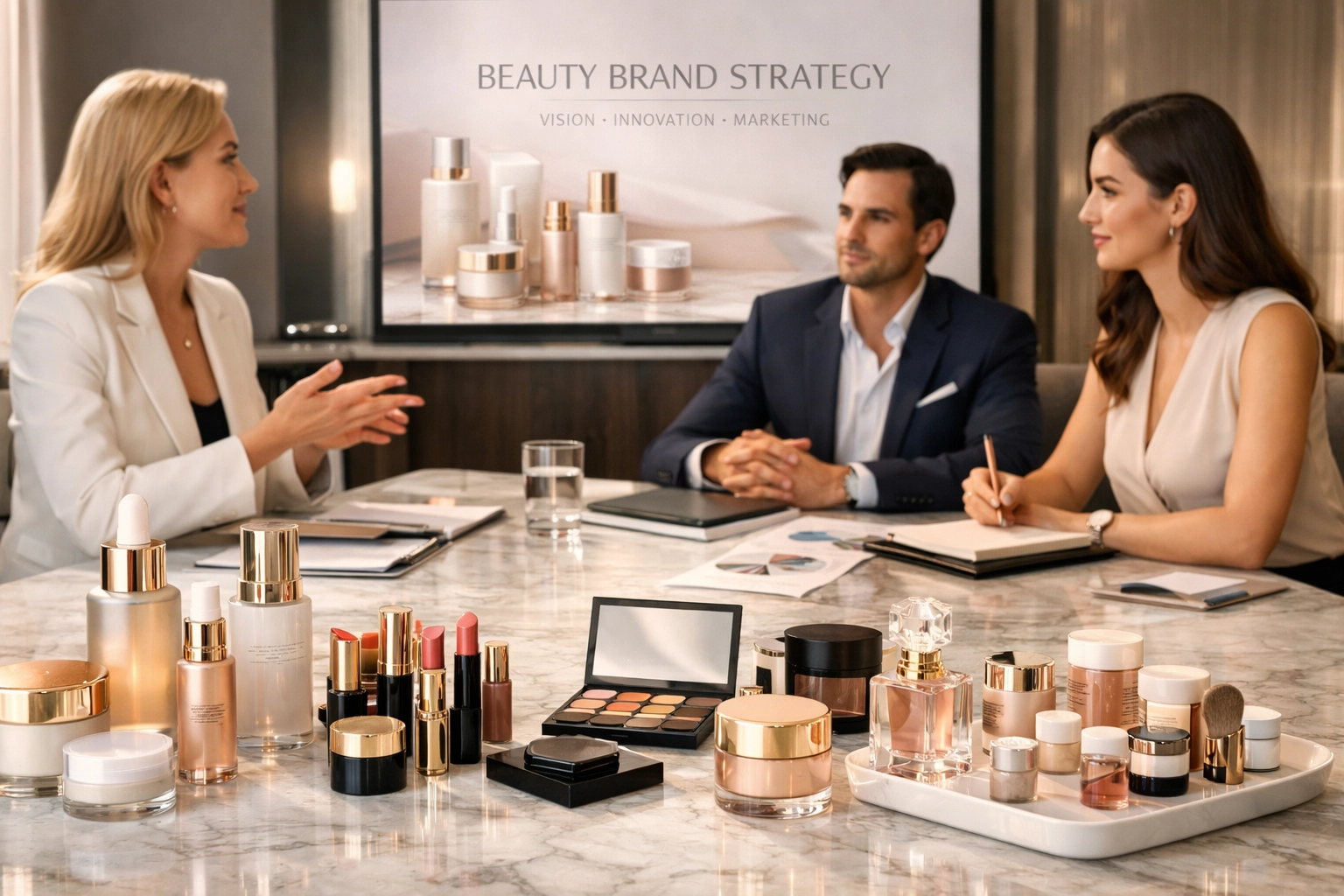
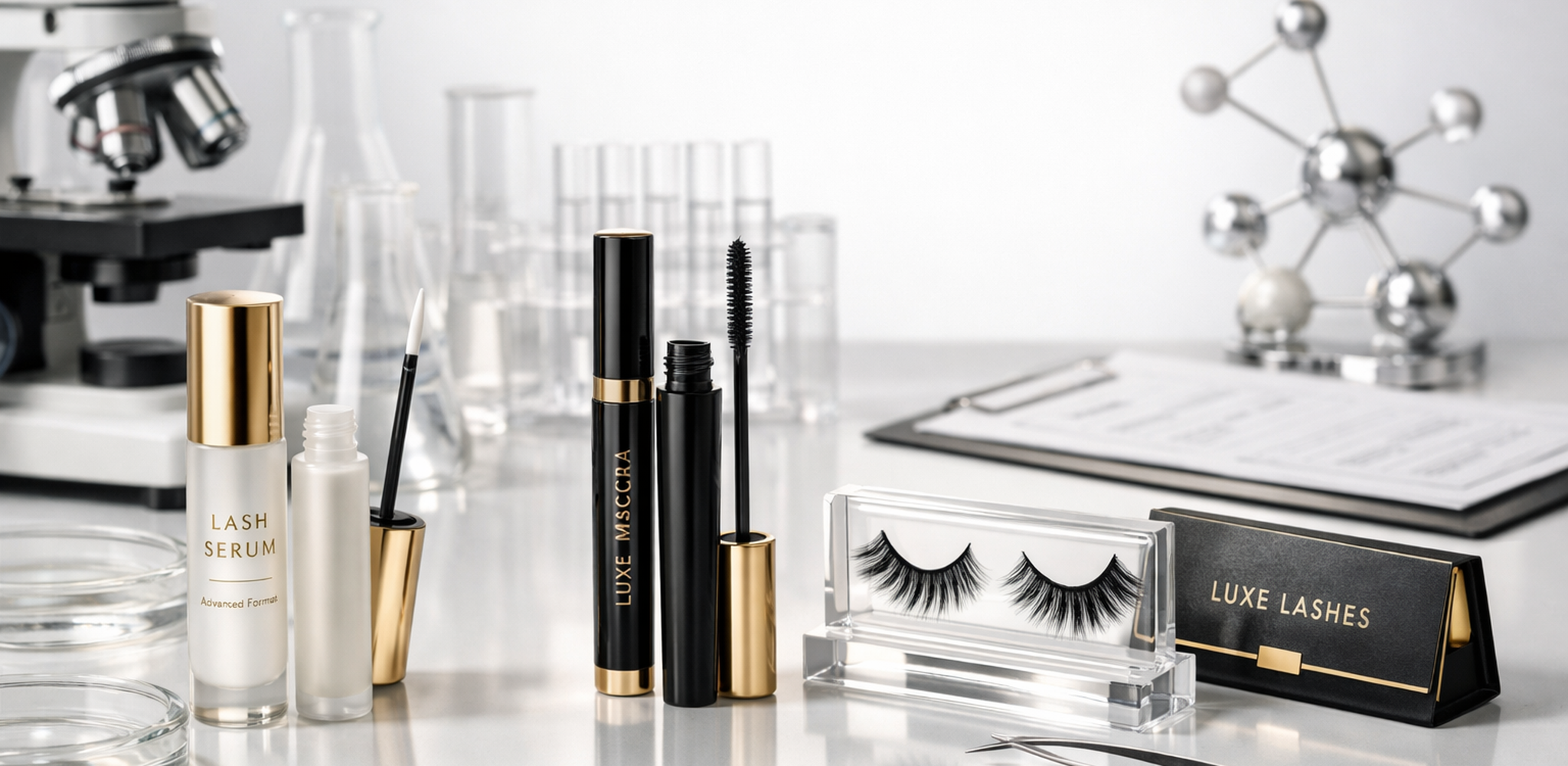
In the dynamic and competitive beauty industry, finding the right private label cosmetics manufacturer is paramount for any brand aiming for success. Whether you're an established beauty brand owner, an e-commerce beauty brand, a product development manager, or an import/export beauty distributor, the choice of your manufacturing partner can make or break your product launch and long-term growth. This comprehensive guide will walk you through the essential considerations for selecting a reliable cosmetic manufacturer in 2026, helping you navigate the complexities and avoid common pitfalls.
The Crucial Choice: Why Most Brands Fail When Selecting Suppliers
The journey to launching a successful beauty product often begins with a brilliant idea. However, many brands, despite their innovative concepts, stumble at the critical stage of supplier selection. Why? Because they often overlook key factors beyond just cost, leading to issues like inconsistent quality, delayed production, lack of customization, and ultimately, market failure. Choosing a private label cosmetics manufacturer is not merely a transactional decision; it's a strategic partnership that directly impacts your brand's reputation, market agility, and profitability. Understanding how to choose a reliable cosmetic manufacturer is the first step towards building a resilient and thriving beauty business.
Demystifying the Role of a Private Label Cosmetics Manufacturer
A private label cosmetics manufacturer is more than just a factory; they are a comprehensive partner that brings your product vision to life under your brand name. This involves a spectrum of services that extend far beyond simple production.
OEM vs. ODM: Understanding the Differences
- OEM (Original Equipment Manufacturer): In an OEM model, you provide the product formulation and design, and the manufacturer produces it according to your specifications. This is ideal if you have proprietary formulas and detailed designs.
- ODM (Original Design Manufacturer): An ODM manufacturer offers a more complete service, including product formulation, design, and manufacturing. They often have a library of existing formulations and packaging options that can be customized. This is particularly beneficial for brands looking for faster development cycles or those without in-house R&D capabilities.
Full-Service Manufacturing: Beyond Production
Modern private label cosmetics manufacturers often provide full-service solutions, encompassing:
- Product Development: From concept ideation and ingredient sourcing to formula creation and stability testing.
- Packaging Solutions: Assisting with selecting suitable packaging, design, and sourcing to ensure your product stands out on the shelf.
- Branding Support: Offering insights into market trends, regulatory compliance, and positioning to help align your product with your brand identity.
This holistic approach from a dedicated beauty product supplier streamlines the entire process, allowing brands to focus on marketing and sales.
Key Factors to Evaluate a Private Label Cosmetics Manufacturer
Selecting the right private label cosmetics manufacturer requires a thorough evaluation of several critical factors. These elements ensure that your chosen partner can meet your specific needs and contribute to your long-term success.
3.1 MOQ Flexibility
Minimum Order Quantity (MOQ) is a significant consideration, especially for new product launches or smaller brands. High MOQs can tie up capital and increase inventory risk. A flexible cosmetic manufacturer offering varying MOQ options, from small batches for market testing to large-scale production, can be a game-changer. This flexibility allows brands to test the waters with new products without excessive financial commitment, making it easier to scale up as demand grows.
3.2 Customization Capabilities
In a crowded market, differentiation is key. Your private label makeup supplier should offer extensive customization capabilities, allowing you to tailor formulations, ingredients, textures, scents, and packaging to create truly unique custom beauty products. This includes the ability to develop bespoke formulas, source specific active ingredients, and design distinctive packaging that reflects your brand's identity and appeals to your target audience.
3.3 Product Quality Consistency
Quality is non-negotiable. The consistency of product quality from samples to bulk production is vital for maintaining brand reputation and customer trust. A reputable OEM cosmetic factory will have stringent quality control processes, certifications (e.g., ISO 22716, GMP), and a proven track record of delivering consistent, high-quality products. Requesting samples from different production runs and checking references are crucial steps in verifying quality consistency.
3.4 R&D and Sampling Speed
Market trends evolve rapidly, and the ability to quickly develop and sample new products is a competitive advantage. An efficient private label cosmetics manufacturer will have robust R&D capabilities and streamlined sampling processes, significantly reducing your time-to-market. This agility allows your brand to capitalize on emerging trends and respond swiftly to consumer demands.
3.5 Compliance (Vegan / Cruelty-Free / Safety Standards)
Consumer demand for ethical and safe beauty products is at an all-time high. Your chosen cosmetic manufacturer must adhere to relevant safety standards and be capable of producing products that meet specific ethical certifications, such as vegan, cruelty-free, and clean beauty standards. Verifying their compliance with international regulations (e.g., FDA, EU Cosmetics Regulation) is also essential to ensure global market access.
Comparison Logic: Navigating Manufacturer Choices
Brands often face a myriad of choices when it comes to selecting a private label cosmetics manufacturer. Understanding the nuances between different types of suppliers can help in making an informed decision.
China vs. Europe Manufacturers
- China Manufacturers: Often offer competitive pricing and high production volumes, making them suitable for mass-market products. They have advanced manufacturing capabilities and can handle complex formulations. However, brands need to carefully vet for quality control and intellectual property protection.
- Europe Manufacturers: Typically known for high-quality, premium formulations, strict regulatory compliance, and often specialize in niche or luxury segments. They might have higher MOQs and lead times but offer superior craftsmanship and adherence to stringent European standards.
Large Factory vs. Flexible Supplier
- Large Factories: Possess extensive production capacities, advanced machinery, and often cater to established brands with high volume demands. They might offer less flexibility in terms of customization and MOQs.
- Flexible Suppliers: Often smaller to medium-sized, these manufacturers are more adaptable to unique requests, lower MOQs, and faster turnaround times for custom formulations. They are ideal for emerging brands or those experimenting with diverse product lines.
High MOQ vs. Low MOQ Suppliers
- High MOQ Suppliers: Best suited for brands with proven market demand and the ability to commit to large production runs, benefiting from economies of scale.
- Low MOQ Suppliers: Crucial for startups, brands testing new concepts, or those seeking to diversify their product portfolio without significant upfront investment. They enable agility and reduce financial risk.
Industry Trend Section: Staying Ahead in Beauty Manufacturing
The beauty industry is constantly evolving. Partnering with a private label cosmetics manufacturer that understands and adapts to these trends is vital for sustained success.
The Rise of Private Label Cosmetics
The private label market continues its robust growth, driven by brands seeking greater control over their product offerings, faster market entry, and enhanced profitability. This trend is fueled by advancements in manufacturing technology and the increasing sophistication of OEM cosmetic factory services, making private label a viable and attractive option for brands of all sizes.
Clean Beauty Trend
Clean beauty is no longer a trend but a fundamental expectation. Consumers demand transparency in ingredients, sustainable sourcing, and eco-friendly practices. Manufacturers capable of formulating and producing clean, non-toxic, and environmentally responsible products are highly sought after.
Fast Product Iteration Cycles
The digital age has accelerated consumer preferences, necessitating faster product iteration cycles. Brands need manufacturers that can quickly develop, test, and launch new products to stay relevant and competitive. This agility is crucial for capturing fleeting market opportunities.
DTC Beauty Brand Growth
Direct-to-Consumer (DTC) beauty brands are disrupting traditional retail models. These brands often require flexible manufacturing partners who can support their agile business models, including smaller production runs, rapid customization, and efficient fulfillment strategies. A responsive private label makeup supplier is essential for DTC success.
How ZM Beauty Fits Into This Market
ZM Beauty stands as a leading private label cosmetics manufacturer, uniquely positioned to address the complex needs of today's beauty brands. We are not just a supplier; we are a strategic partner committed to your brand's growth and success.
- Flexible Private Label Cosmetic Manufacturer: ZM Beauty offers unparalleled flexibility in MOQs, catering to both emerging brands and established enterprises. This ensures you can test new products with confidence and scale production efficiently.
- Supports Small Batch + Large Scale Production: Our advanced manufacturing facilities are equipped to handle diverse production volumes, from initial small batches for market validation to large-scale production for global distribution.
- Fast Sampling and Development Cycles: We pride ourselves on our streamlined R&D and sampling processes, significantly reducing lead times and enabling your brand to bring innovative custom beauty products to market faster.
- Cross-Category Capabilities (Lashes, Skincare, Makeup): ZM Beauty's expertise spans multiple beauty categories, including lashes, skincare, and makeup. This broad capability makes us an ideal beauty product supplier for brands looking to diversify their product lines and expand into new segments seamlessly.
At ZM Beauty, we focus on factual, strategic partnerships, ensuring our services align with your business objectives without resorting to overly promotional language. We are here to empower your brand with the manufacturing excellence it deserves.
FAQ Section
Q1: What is private label cosmetics?
Private label cosmetics refers to beauty products manufactured by one company (the manufacturer) and sold under another company's brand name (the brand owner). This allows brands to offer their own unique products without investing in their own manufacturing facilities or extensive R&D.
Q2: What is MOQ for cosmetic manufacturers?
MOQ stands for Minimum Order Quantity. It is the smallest number of units a cosmetic manufacturer is willing to produce in a single production run. MOQs vary widely depending on the product type, customization level, and manufacturer's policies.
Q3: How long does private label production take?
The timeline for private label production can vary significantly, typically ranging from a few weeks to several months. Factors influencing this include product complexity, customization requirements, ingredient sourcing, testing, and the manufacturer's current production schedule. Efficient OEM cosmetic factory partners can significantly shorten this duration.
Q4: How to start a beauty brand?
Starting a beauty brand involves several key steps: market research and niche identification, brand concept and identity development, product formulation and selection (often with a private label cosmetics manufacturer), packaging design, regulatory compliance, marketing strategy, and distribution. Partnering with an experienced beauty product supplier can simplify many of these steps.